
Swell, sea swims and a ‘Silurian’ choir
By SADIE GORVETT (Hebridean Whale & Dolphin Trust)
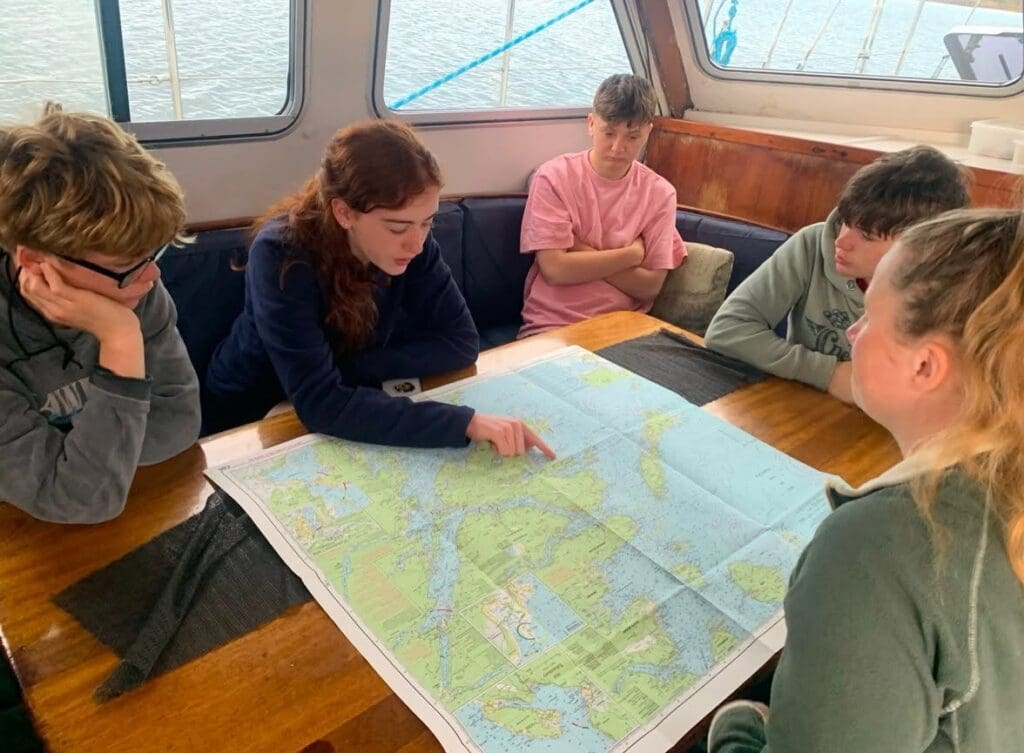
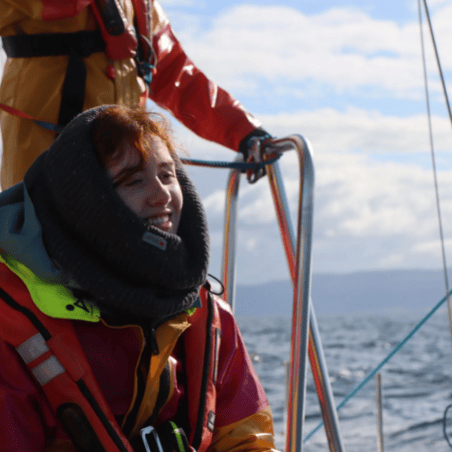
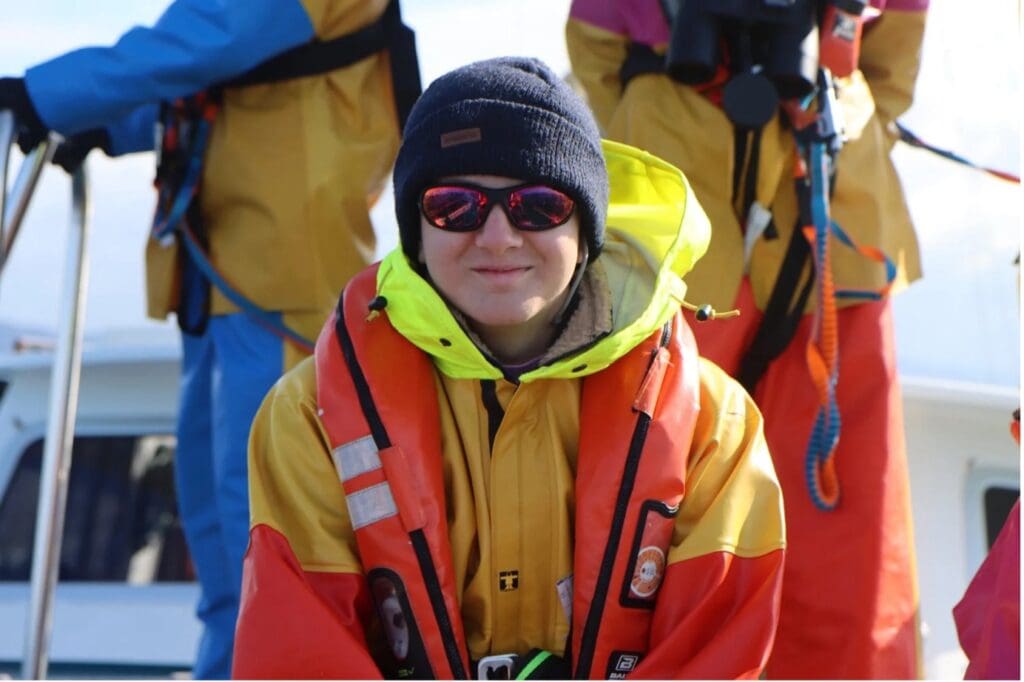
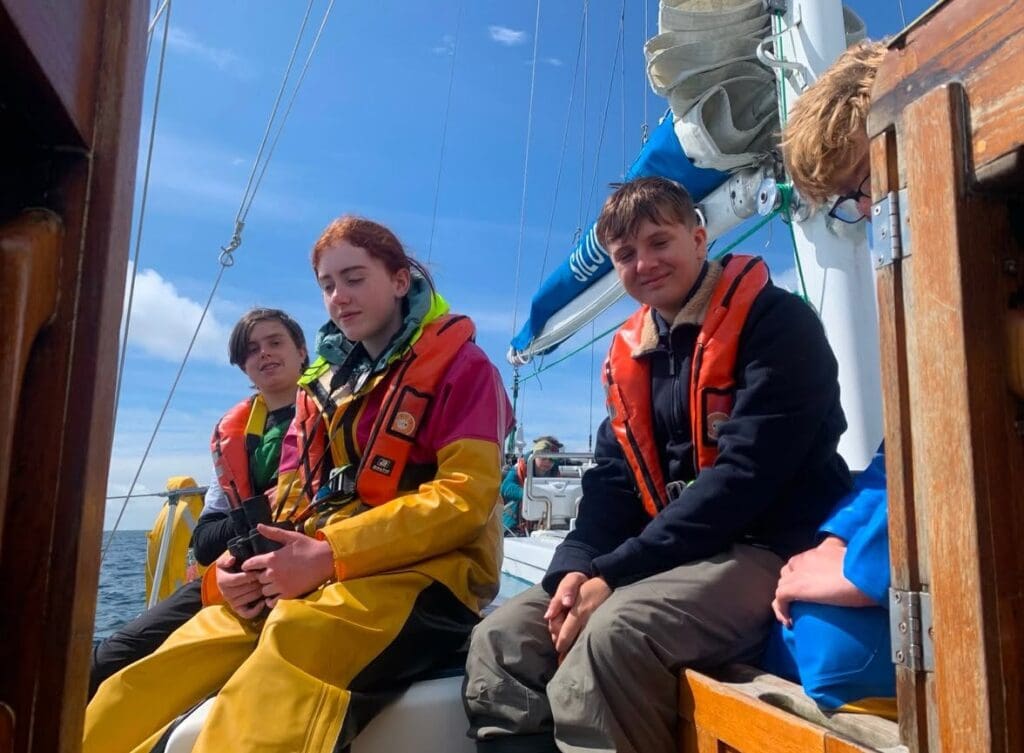
Each field season, we dedicate two expeditions for young conservationists to join us onboard to gain experience and useful skills in marine science and hands on field research – and for our second teen trip this year we welcomed students from Longridge Towers School.
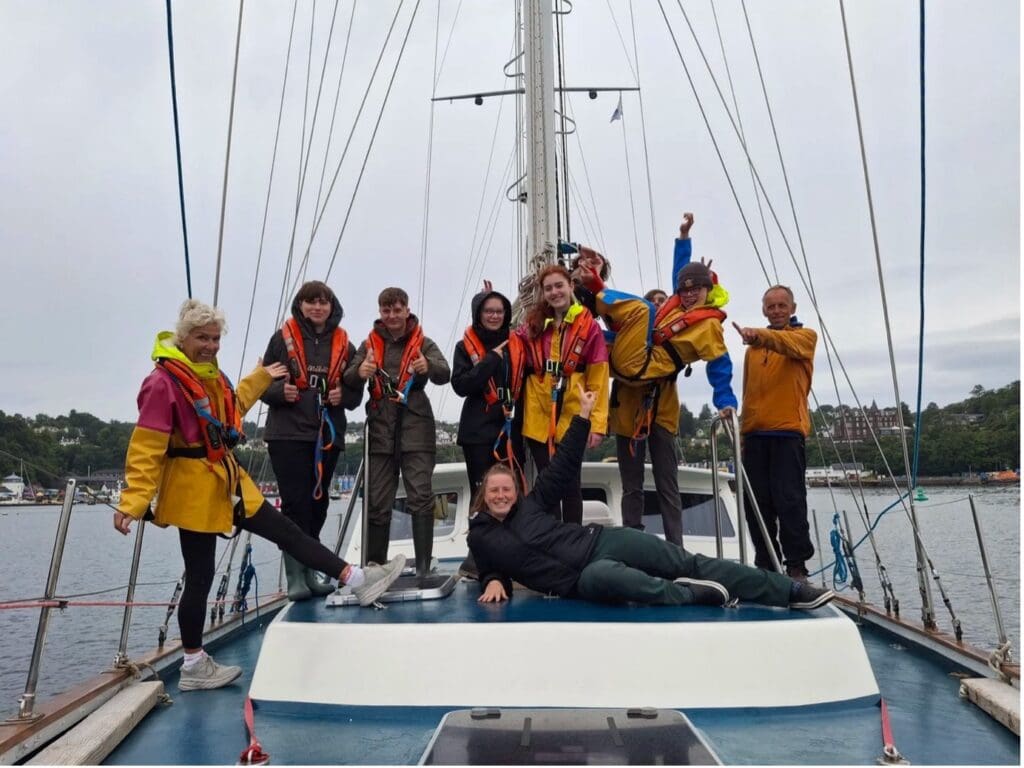
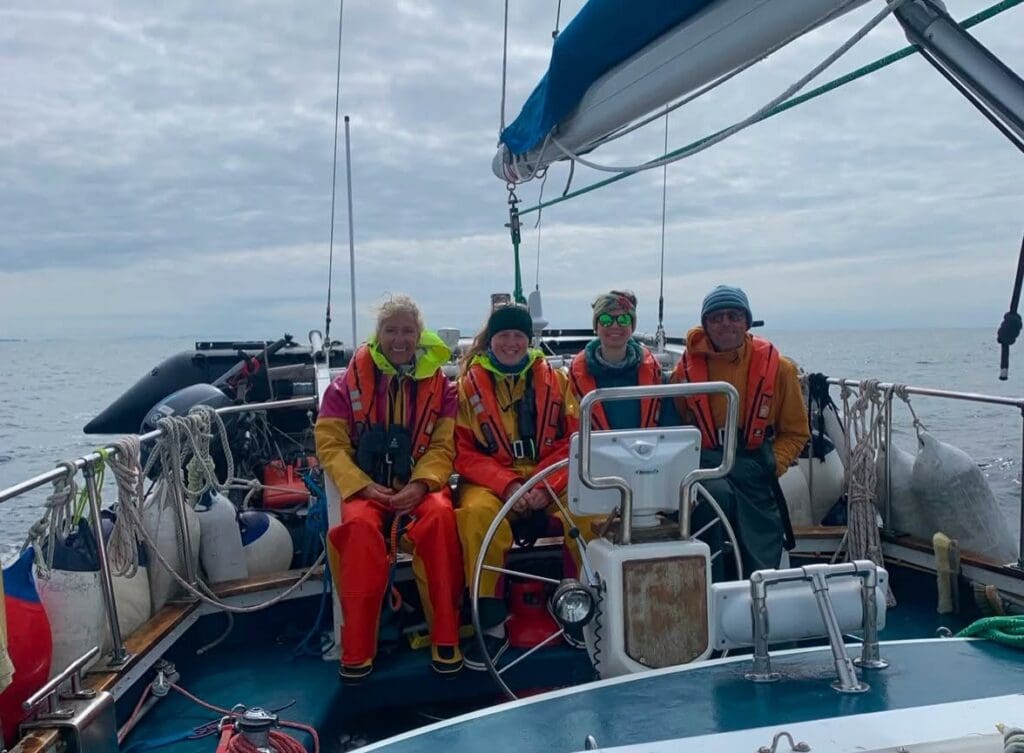
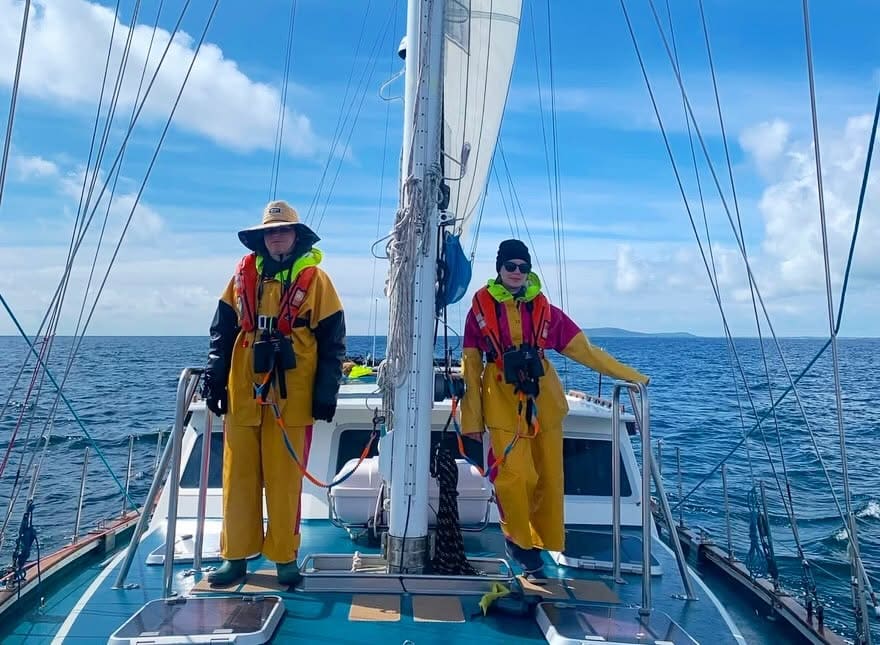
Over seven days, our team of enthusiastic and excited young people helped collect vital data to support marine conservation while enjoying some unforgettable wildlife encounters and experiences.
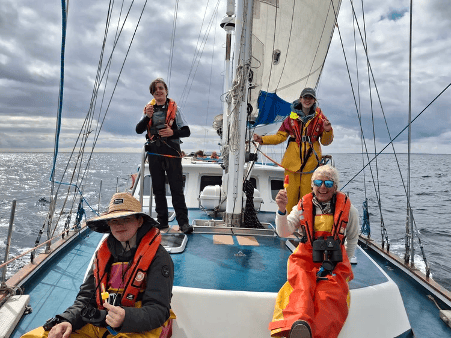
They experienced many firsts, from helming a yacht and climbing to the crow’s nest, to seeing bow-riding dolphins and associating minke whales. One of the most challenging things may have been cooking delicious meals for a team of 10 people – which they absolutely smashed – including the crew’s first time having chips onboard!
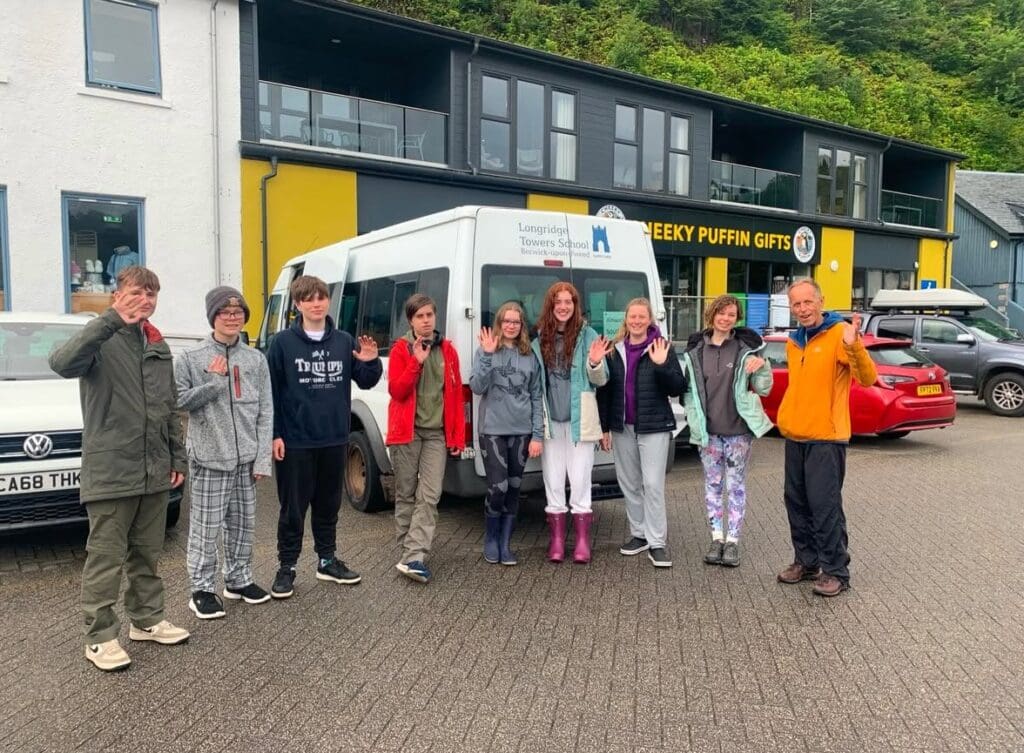
Welcomed by an eagle and a minke or 10!
As we were leaving Tobermory harbour for the first day of survey, the Longridge pupils were treated to a close encounter of a white-tailed eagle as it flew low past the bow of the boat, setting the team up for a week of exciting encounters and an even more exciting ride.
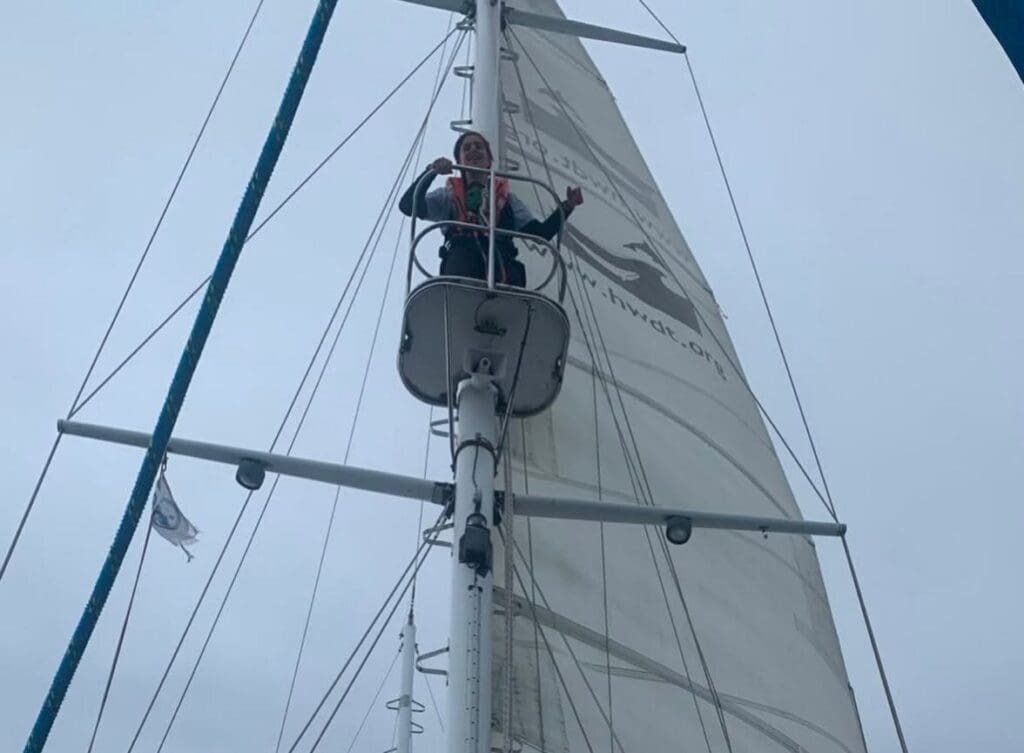
The week provided a mixed bag of weather conditions from calm seas allowing for 10 minke sightings in one day, including an associating minke! Big swells and rain didn’t damper the team’s spirits, as they happily sang their school song at the mast, serenading the dolphins and enticing them to show themselves – which worked on multiple occasions!
A daily sea swim became the routine for the team, braving the cold Hebridean seas to jump off the boat and showcase their flips and dives. By the end of the week, every pupil jumped in, capturing a special moment that they will all remember.
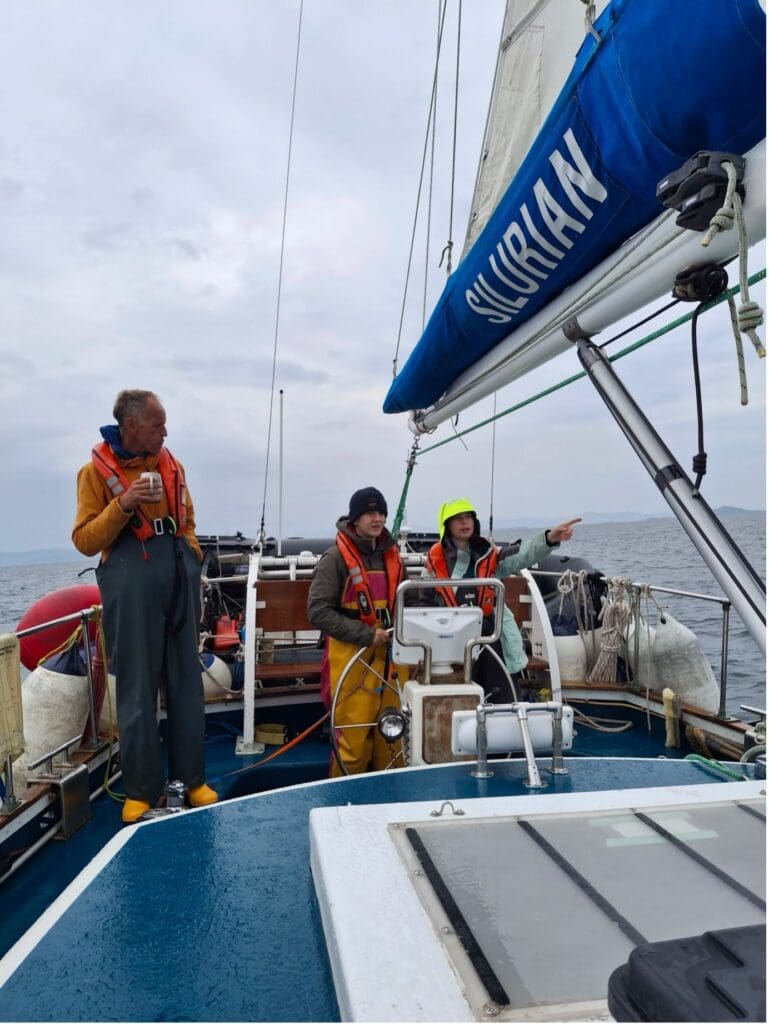
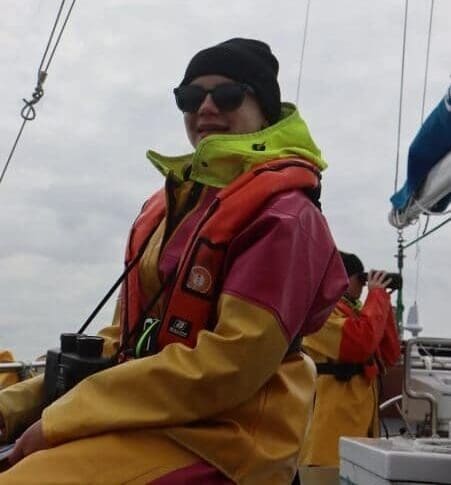
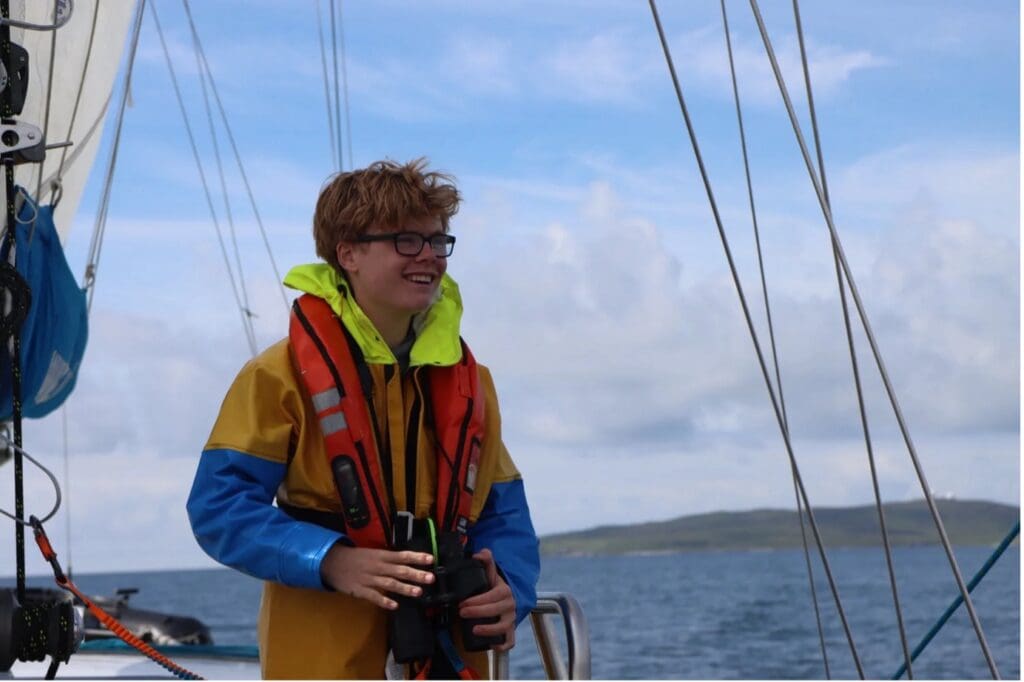
One of the youngsters decided the helm was the place to be during break times and on multiple days they took charge of the boat, maintaining straight transect lines and testing their skills while the engine was on as well as seeing the difference when under sail.
Although big swell meant navigating around the boat became challenging, the Longridge pupils took it all in their stride, enjoying the wild ride as the boat rocked from side to side. With big swell came big wind, which meant ‘engine off’ and the opportunity to sail, and, luckily, the wind provided the perfect momentum to maintain our survey speed of 5-7knots meaning we sailed with no engine on multiple days for several hours!
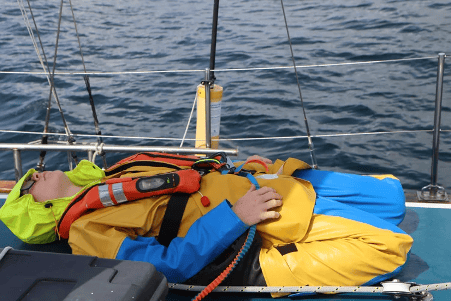
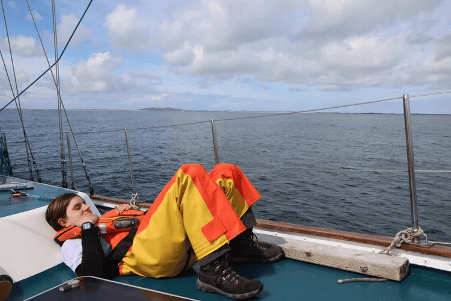
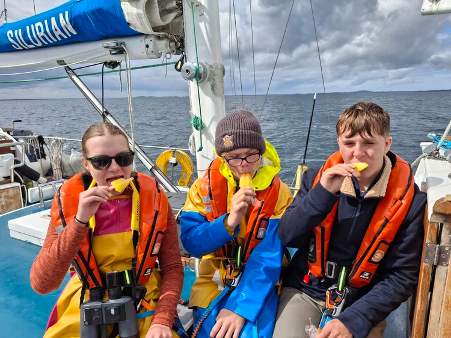
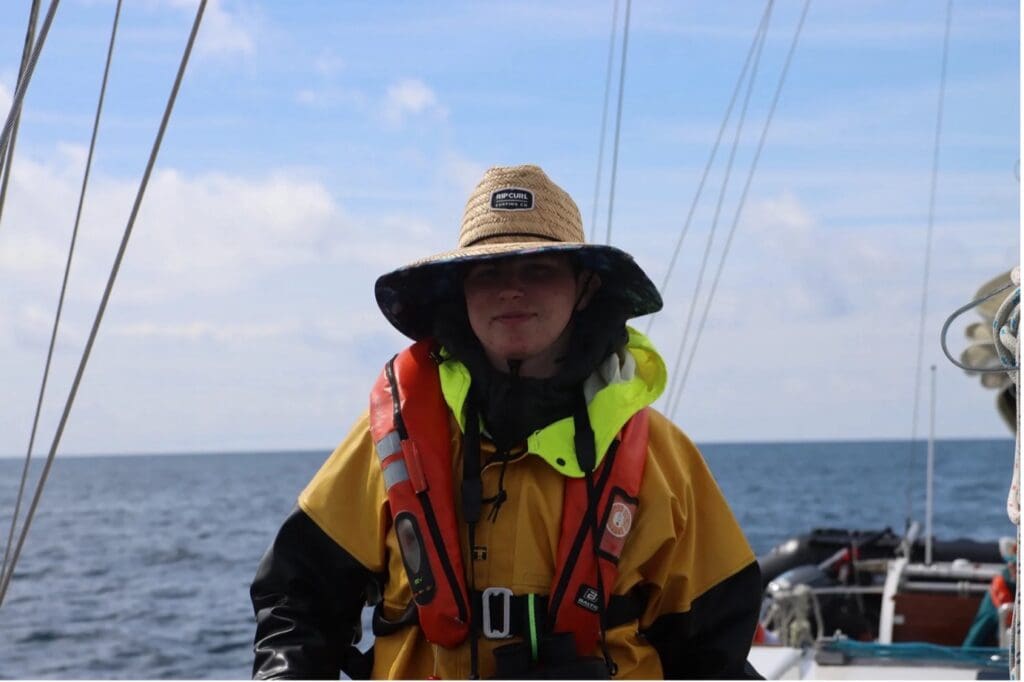
In amongst the wild weather, the team was treated to some much-needed vitamin D by laying on deck, soaking up the sunshine and enjoying a ice lolly – and even wearing a sombrero sun-hat!
Assessing parasites and populations
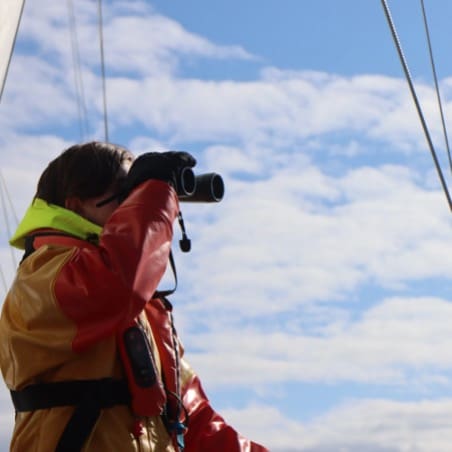
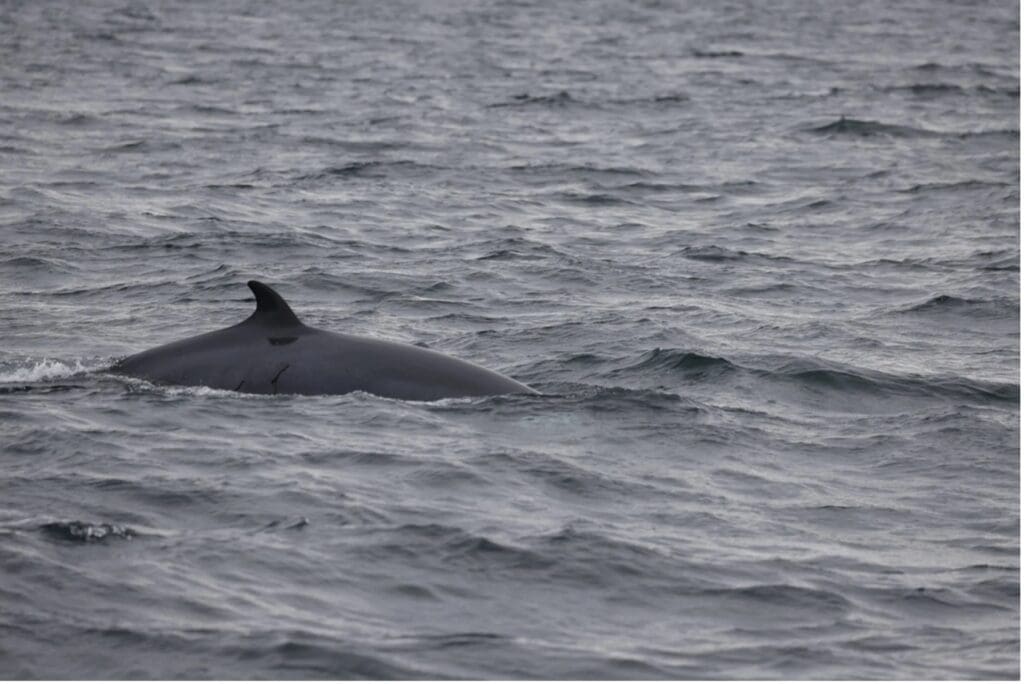
Despite the mixed weather conditions, the Longridge pupils were lucky enough to spot 10 minkes in just one day, including an associating minke, and during some of the encounters, the team were able to go ‘with whale’ in order to collect images for photo-ID purposes.
In addition to being a useful tool in identifying individuals within a group and monitoring anthropogenic impacts, photo-ID also allows us to assess the health of individual animals, by analysing their overall body condition. Upon reviewing the images, the team identified one of the whales had multiple parasites attached to its side.
This was thought to be the ectoparasite, Panella sp, a large copepod which embeds its head into the blubber of whales and siphons blood from the host through elongated mandibles. These parasites can leave white scars on the whale’s skin.
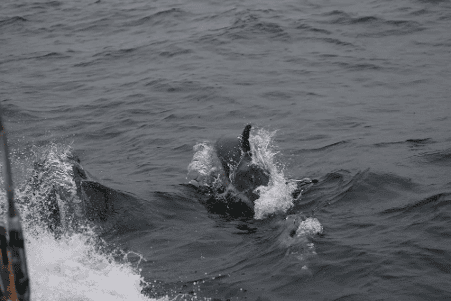
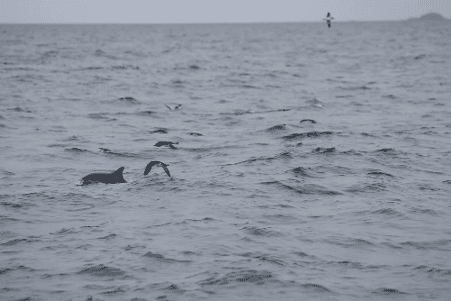
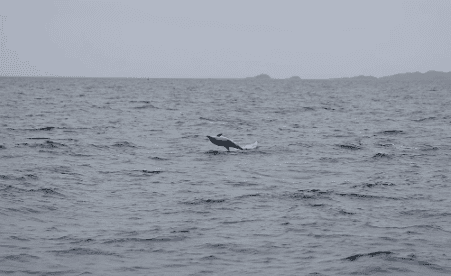
Common dolphins were sighted the most during the survey, with a couple of groups coming to bow ride, much to the youngsters’ excitement. These close encounters allow us to assess the demographic of the group, counting the number of juveniles and calves present, and, in total, we encountered 128 common dolphins, including six calves and eight juveniles.
During the trip Longridge pupils conquered fears, formed friendships and built memories that will last a lifetime and we would like to extend a huge thank you to Ben, Tom, Miriam, Oscar, Sam, Cerys and our 4th crew, Longridge school teacher, Miss Smith, for your dedication and enthusiasm.
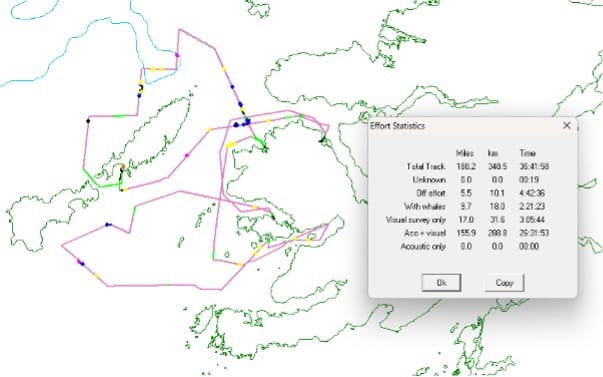
Together we travelled 348km, surveying for over 32 hours, recording 42 sightings of five different marine species, logging 2,280 birds and 107 creels.
You Can Be Part of the Research!
For over 20 years, more than 1,000 citizen scientists have helped us collect an incredible amount of visual and acoustic data. This data gathered on board Silurian plays a key role in understanding cetaceans across the west coast aiding protection of the marine environment. This vital work wouldn’t be possible without people like you.
For more information: https://www.hwdt.org.

Post / Swell, sea swims and a ‘Silurian’ choir
Share This Page