
Farming at heart of new BTECs launch
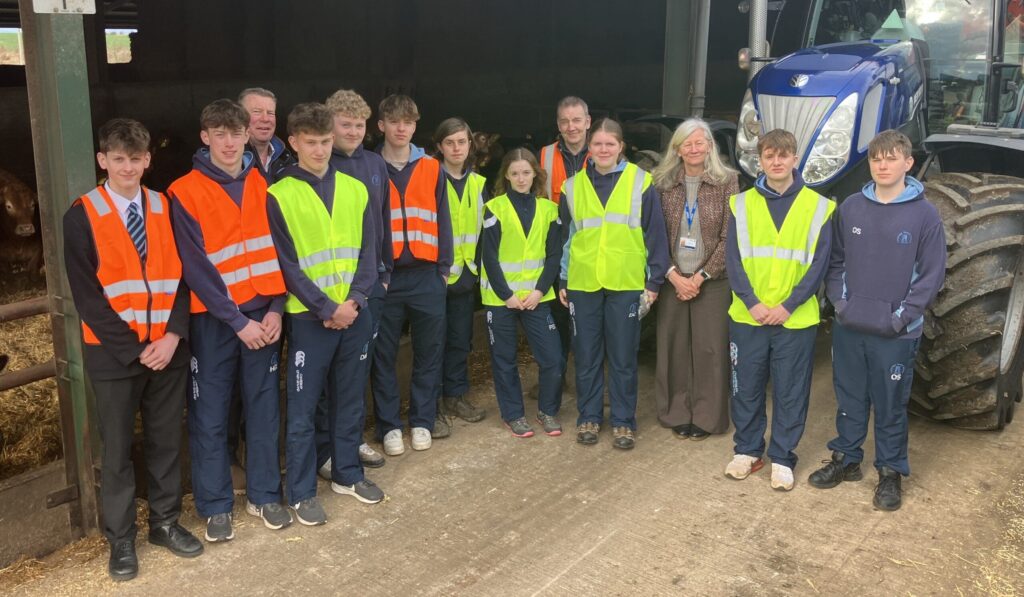
LONGRIDGE Towers School is expanding its Sixth Form curriculum with the introduction of BTECs in Agriculture and Business.
BTEC stands for the qualification authority, the Business and Technology Education Council, and they provide practical, work-related qualifications which focus on hands-on learning for children aged 16 years and above. BTECs are common across engineering, IT and health as well as agriculture and business, and have become popular alternatives to GCSEs and A-levels for allowing direct entry to university and employment.
The new qualifications will sit alongside the existing BTEC Sport and allow Longridge pupils the opportunity to follow either a practical, vocational route through Sixth Form, or the more traditional A Level route, or a combination of the two, depending upon desired destinations.
Deputy Head Jenell Arnott explained: “These BTEC courses provide the equivalent of a full A Level, so whether aiming for university, an apprenticeship or direct employment, students can now blend practical, vocational learning with traditional A Levels.
“At Longridge, we foster a ‘no walls’ environment to flexibly satisfy the curricular needs of each individual and removing barriers to successful learning are key themes that we take real pride in.
“These two exciting new introductions to our unique Sixth Form curriculum reflect our commitment to providing individualised pathways with diverse, career-ready education.”
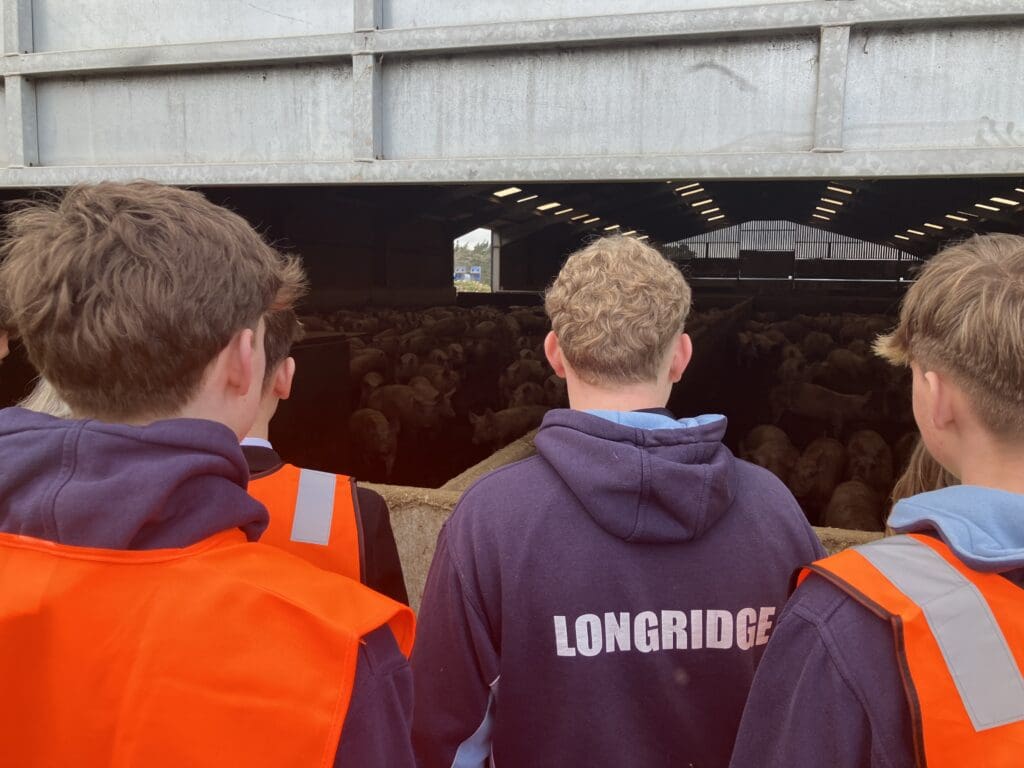
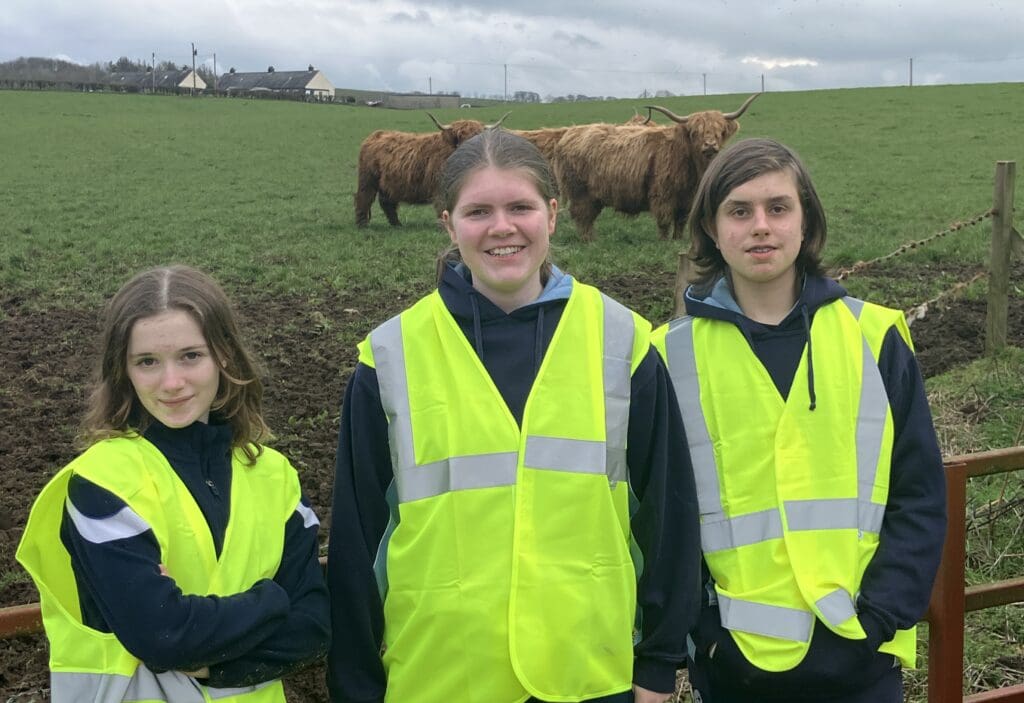
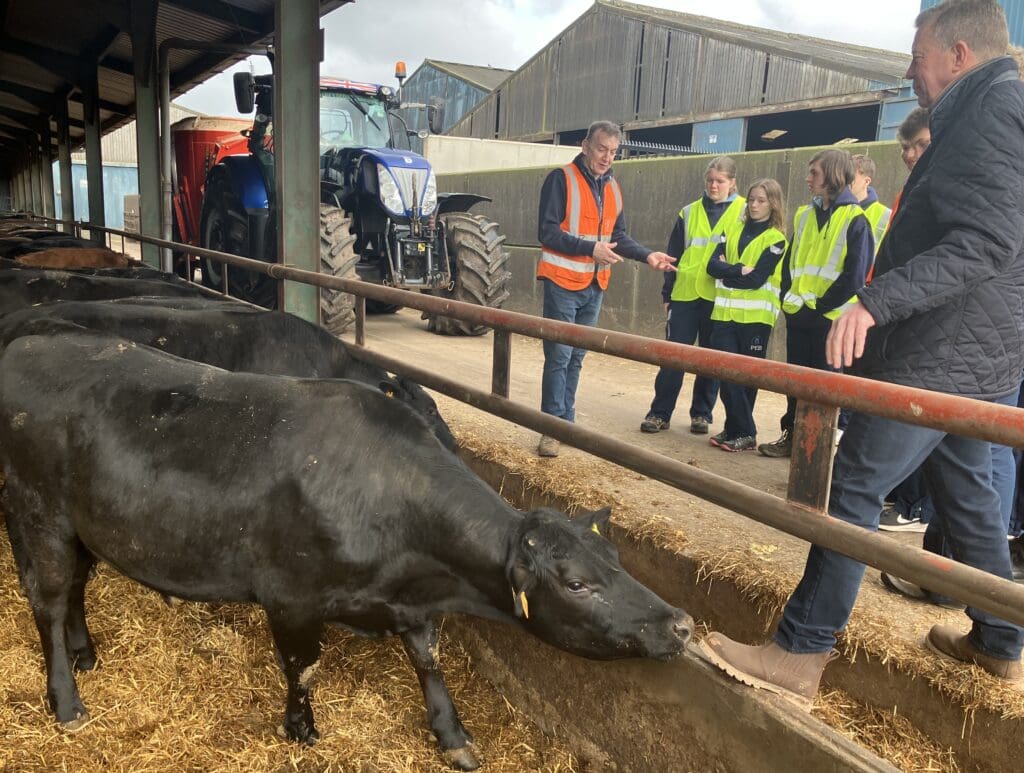
To launch the new agriculture BTEC, Mrs Arnott took students selecting these courses to meet a local industry partner, David and Caroline Baird, who owns Lurdenlaw Farm that straddles the Scottish-English border just south of Kelso, and who will be providing vital work experience and delivery support.
The visit was arranged by Longridge Governor, David Armstrong, himself a local farmer, and a passionate supporter of the BTEC courses.
“I’m very passionate about Longridge Towers and how we help educate our children coming through across many areas,” he said, “but there is no doubt that we currently need to raise awareness of agriculture in our young people and the endless possibilities that exist for careers in the farming world.
“So, I was very pleased to be asked by the senior management at the school to work with them to look specifically at the kind of courses we could bring into Longridge, and to develop the BTEC in Business and Agriculture.
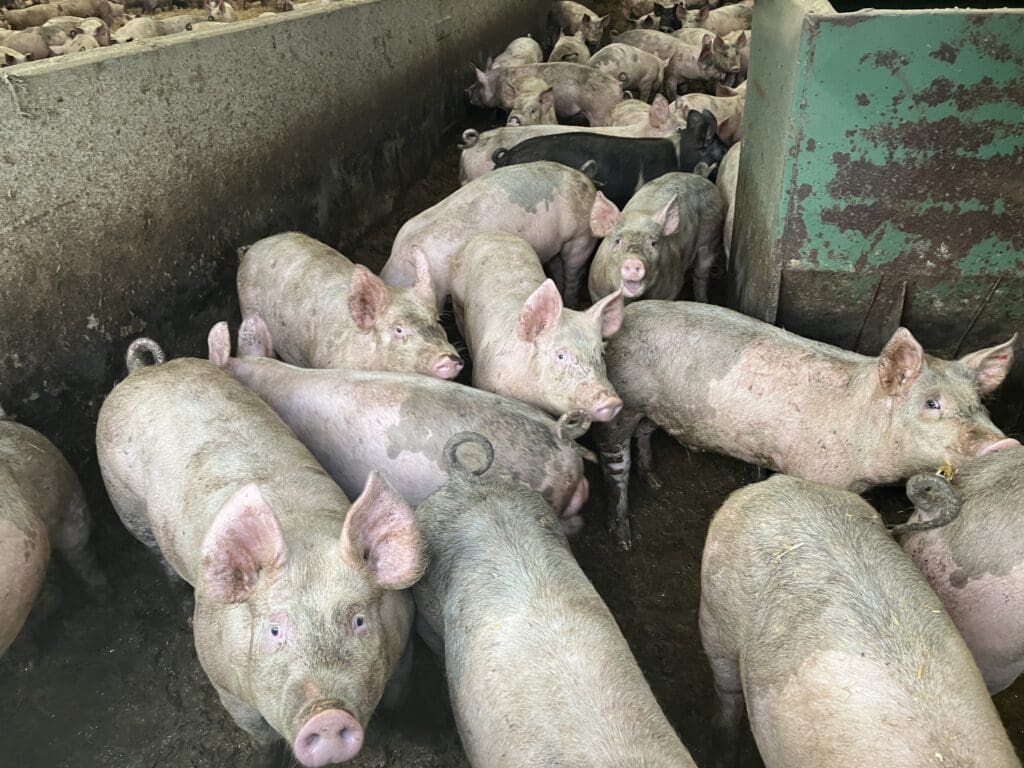
“I thought this would be a good farm to start on because it has both livestock and arable sides of the business, from being well known for its potatoes to the sheep and cattle, and now pig enterprises, which are becoming much more popular in local farms.
“Farming is a fast-moving business these days and there are a lot of big rural businesses involved around farming. As well as knowing livestock, marts, machinery and how the land works, to be successful a farmer nowadays has to be an agronomist, a researcher or scientist, an accountant, even a bank manager to manage many different accounts across different areas with different suppliers.
“Longridge Towers School is right in the middle of a big agricultural region and a good percentage of the children are from families involved in farming-based industries. But, that doesn’t mean they themselves necessarily have an understanding of how relevant it may be to them, or how they might be suited to a career in agriculture.
“I think we can change that with the BTEC and hopefully the pupils have taken away some of that enthusiasm that Mr Baird and myself have tried to share with them.”
Mr Baird explained the benefits he hoped to reap from working closely with Longridge Towers School and helping to ensure the BTEC course was relevant to agricultural partners.
“ I think we want to encourage people into our industry, so having a partnership with a school like Longridge, where lots of children have come through a farming system, has to be a positive move,” he said.
“I have had very good discussions with David Armstrong and Mrs Arnott about how they are developing the course, but the thing I’ve been keen to stress to the children today has been how we have moved a long way away from the traditional view of a farmer and farming.
“We spoke about how there are so many different elements to agriculture these days, so many different jobs that a farmer perhaps used to do but, due to advances in different areas, various different people now work on to help a farm be successful, which means lots more opportunity.
“And, of course, there’s a whole supply chain, the service industry, agronomy, all these people that are part of supporting farms and linking them to other parts of the chain and ultimately selling.
“So, the message to the children was that we need all kinds of people with different skills, different approaches to life and working things out, to tackle lots of different jobs we now have.”
It is widely acknowledged that farming has struggled to attract the younger generations which is one reason hy the UK Government’s new inheritance tax was so roundly criticised, serving only to make inheriting a farm even less popular. For Mr Baird, however, there are still precious view careers as enjoyable as farming.
“I’m passionate and I love the industry,” he said, “but that is with good reason because for all the challenges we face there is a lot of good about it.
“David [Armstrong] asked me to get involved because we have a mixed farm at Lurdenlaw, and he wanted the children to see a bit of variation which might appeal to them; tick different boxes.
“There’s no doubt that there’s not enough youngsters coming into any part of the agricultural industry, and that’s been the case going back a few years. But there are many more opportunities for youngsters coming through that are not very well communicated.
“So, there is a responsibility on us as farmers to help to educate the youngsters about what farming means and perhaps open their eyes to the fact that it may not be quite what they think.”
He added: “I believe that farming is still a fantastic industry and I told the kids how I often take the tractor up the top of the fields and just stop for a minute and look as far as I can. On a clear day, I can look south down across the wonderful north of England and north all the way to beautiful East Lothian and the Firth of Forth, and that’s a pretty decent office window to have.”

Post / Farming at heart of new BTECs launch
Share This Page