
Marine life and how we can save it
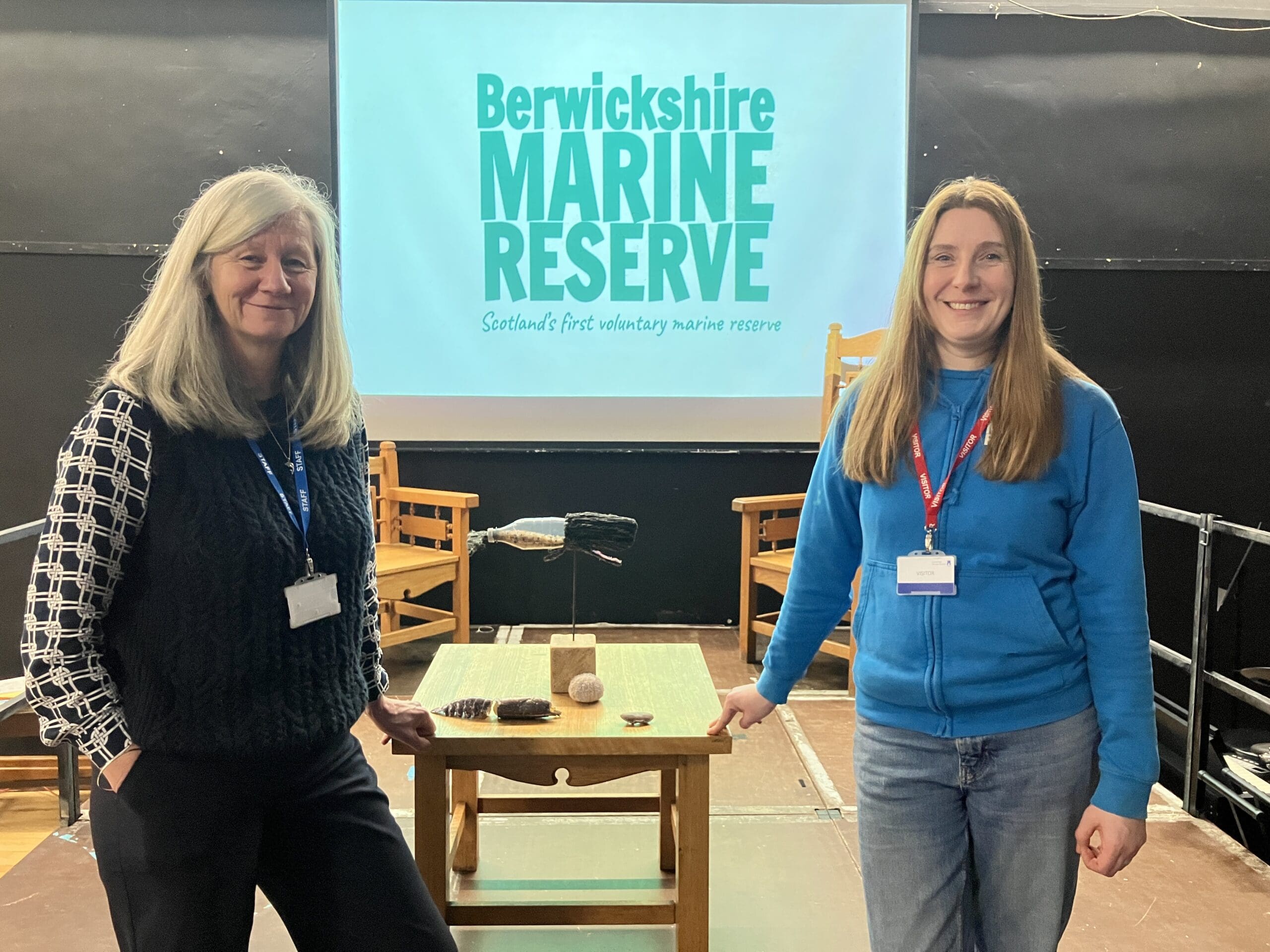
THE REALITY of what goes on in the world’s oceans, and how it is changing, was brought front and centre to local school pupils this week.
As part of the School’s Senior Open Week, which this week is opening up the school to the public, Deputy Headteacher Mrs Arnott has led the staff in developing a series of daily events with expert speakers looking at varied elements of sustainability.
On Tuesday morning, marine biologist Lauren Nieuwenhuys presented to almost the whole school about her work as education officer at the Berwickshire Marine Reserve. Her talk ranged from the damage being to fishing stocks and coral reefs from over-fishing and pollution to how the damaging effects of climate change can be turned around by the actions of these pupils in the next few decades.
Lauren was delighted with the response from children, who were quick to answer questions she posed about the levels of current damage, and shocked by some of her answers.
“The School putting on an actual ‘Sustainability Week’ is fantastic,” she said. “It is key to the work that I and all my colleagues working across the marine world do that we get to speak directly to our young people. Quite simply, if we don’t educate and inspire the younger generation, we’re in real trouble on Planet Earth.
“So, this kind of focus in school is hugely helpful to our ability to share what is going on right now, right here off our east coast in Scotland and England, and ultimately it’s these children who need to be getting the message and to be getting excited about it. So it’s really uplifting for me to see the enthusiasm coming from them.”
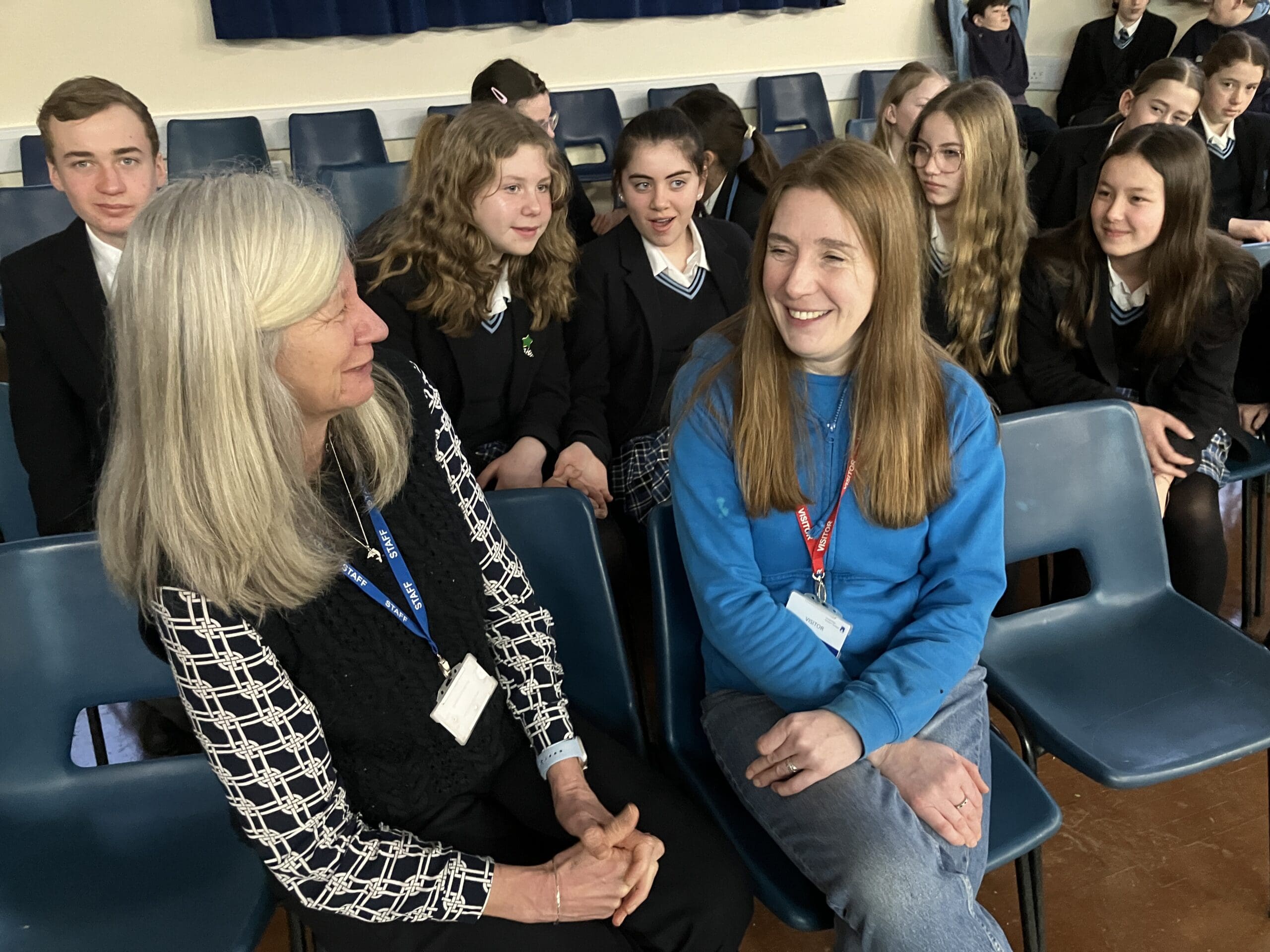
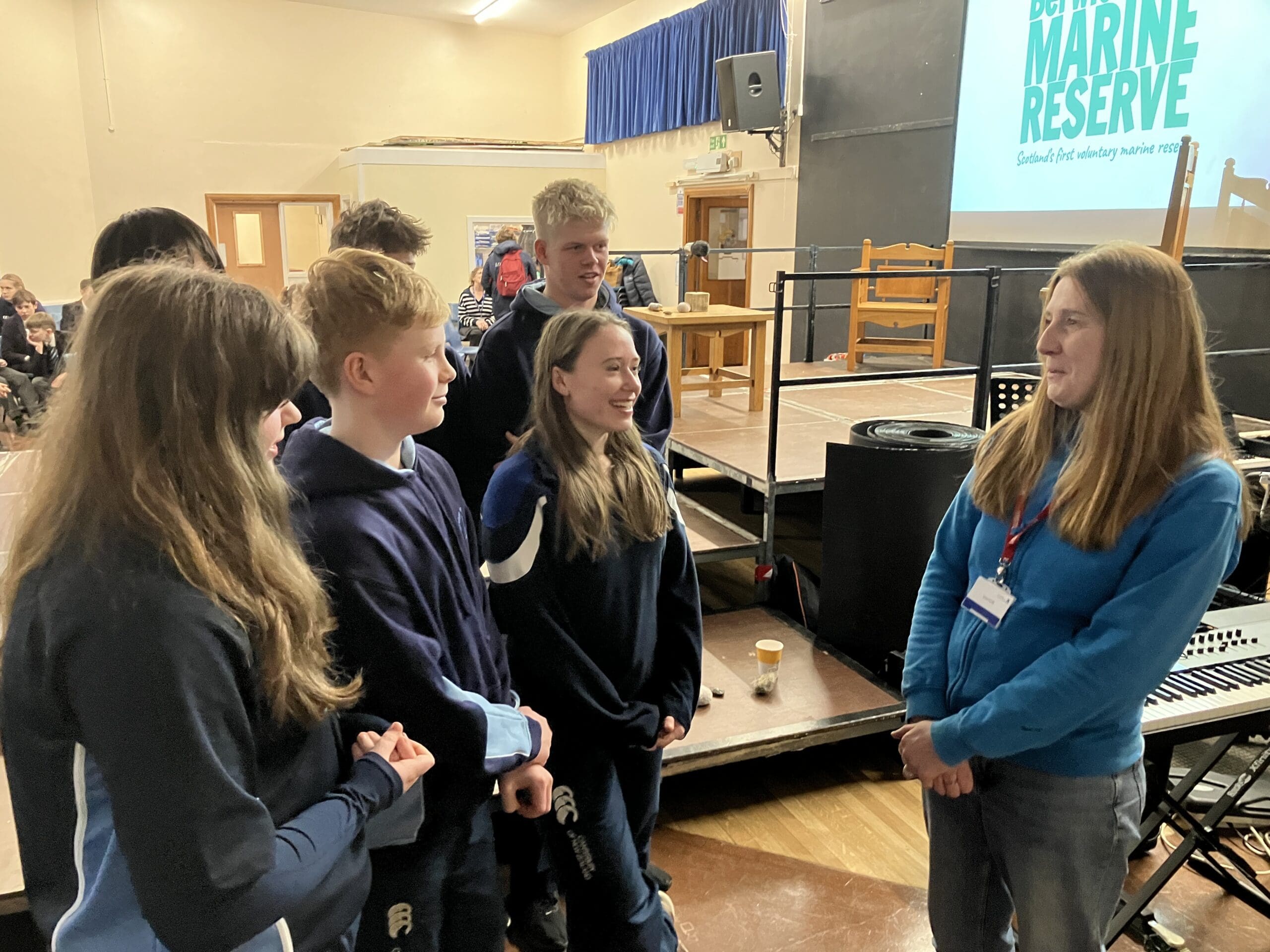
There were plenty suggestions and discussions after Lauren’s talk about what we can do differently, with one group heading off for a Beach Clean, and others going on to trace the journey of a plastic bottle, while Lauren was pleased to hear that sustainability is a weekly part of Longridge life, particularly through the beach and forest schools.
“That is wonderful to hear,” she said. “I am finding that our younger generation are really taking to these key messages.
“Look, our generation have messed it up so we need the younger generation to sort things out for us, but I am seeing a real shift in attitudes with the younger generation. They are much more sustainable aware and becoming much happier to call out behaviour. Even my own children will call out my own behaviour!
“Weeks like this at Longridge, which turn the spotlight firmly on sustainability help to educate the younger generation not only in the damage we are doing to our planet, but also the impact that has and what we can actually do to change that, like the beach clean they’re doing today, just picking up after ourselves when we’re at the beach or in the countryside, thinking about what fish we eat, and switching to others, switching off lights or walking or cycling a bit more.
“The point that the youngsters get is that all of these little things make a big difference, and will make a difference to the future world they live in.”
She added: “It has been great to be here today and I’d like to thank Longridge for the opportunity to speak to the school, because the more that kids can learn about nature and about our planet, the more they’re going to look after it.”
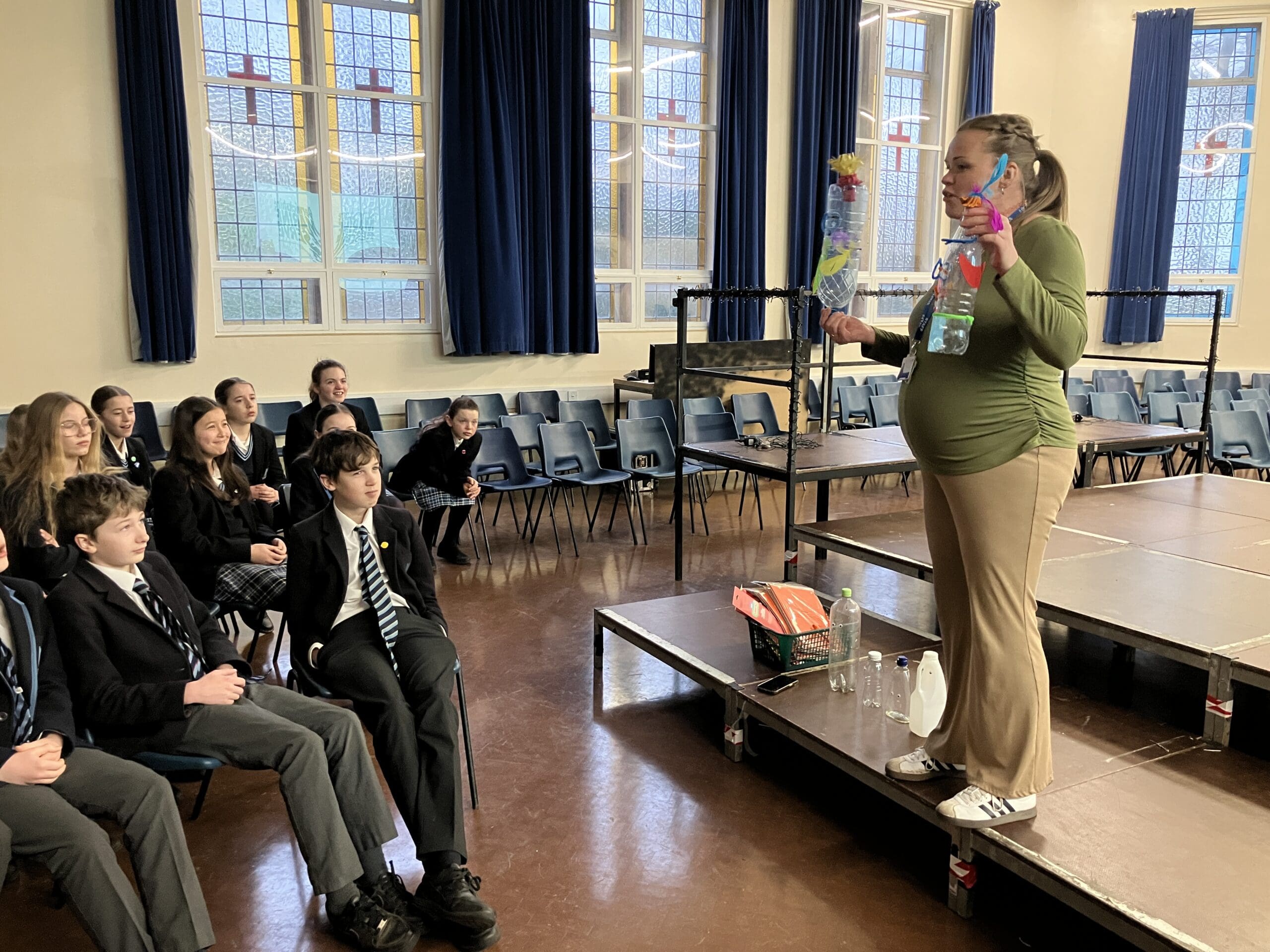
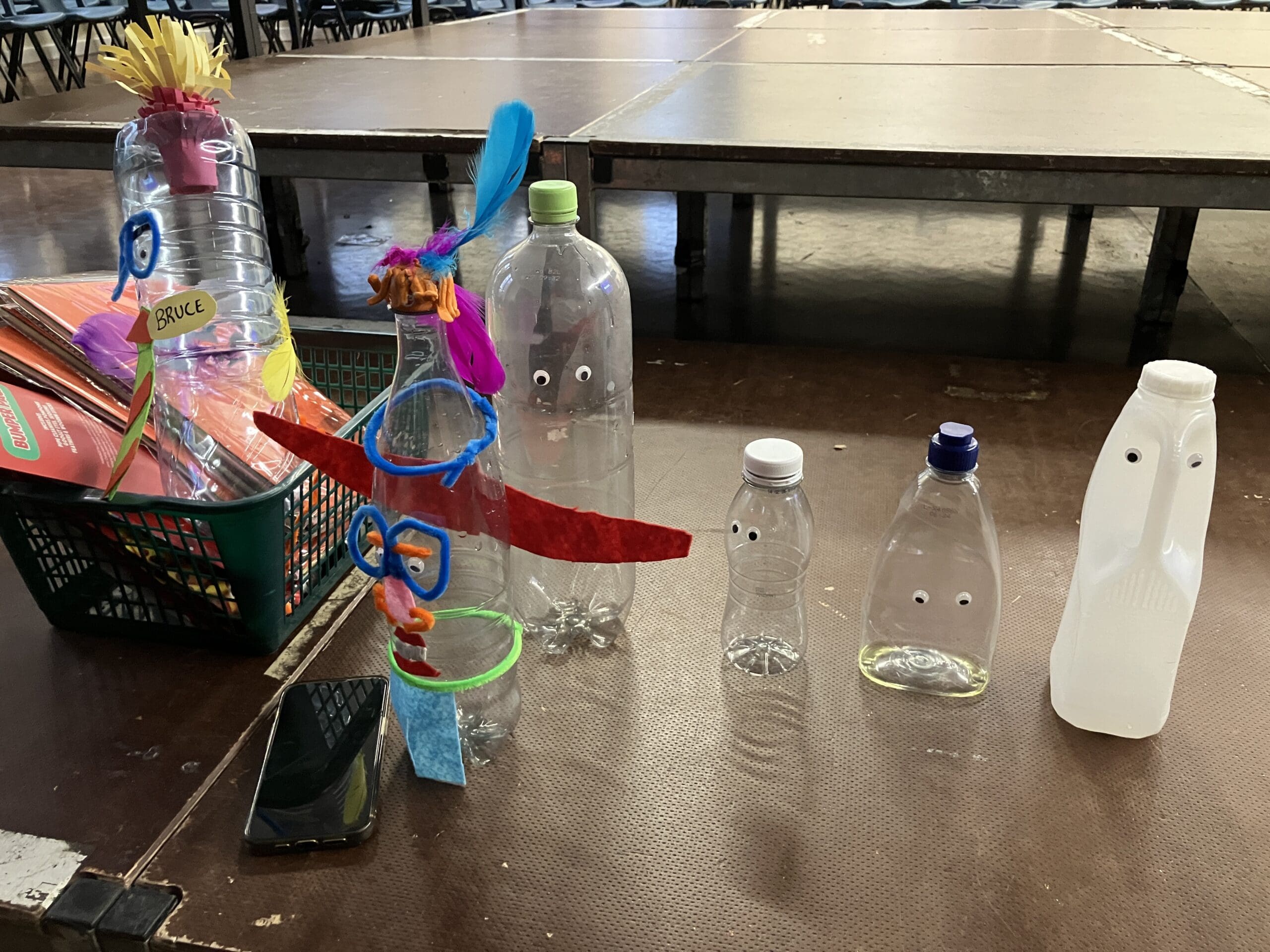
Drama teacher Mrs Hutton introduces new characters as pupils begin to plot the journey of our plastic bottles.


Post / Marine life and how we can save it
Share This Page